TWO ROLES IN ONE COMPLETE STORY
Candid vs Traditional Wedding Photography in Chandigarh
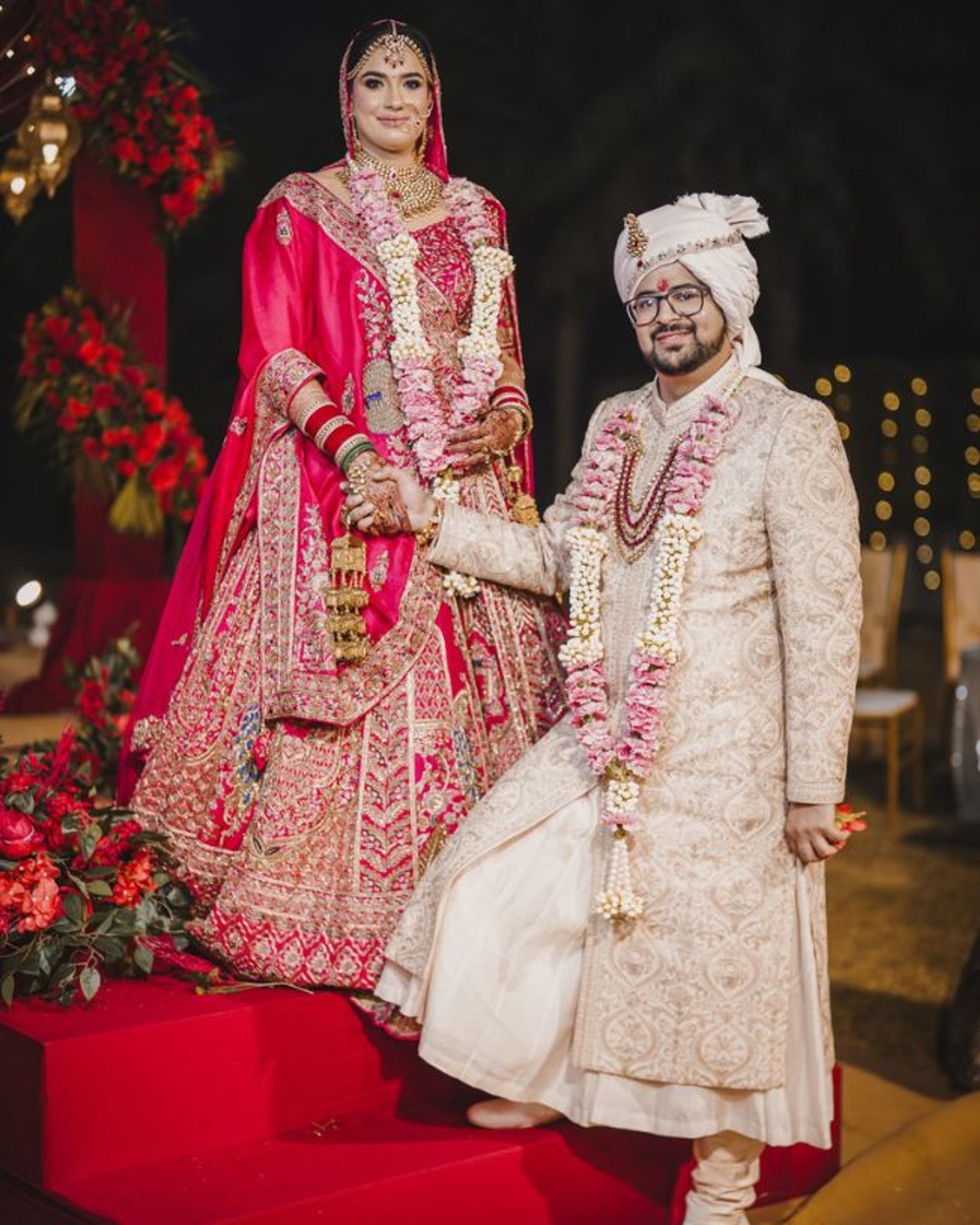
Candid and traditional photography are often presented as opposites, but they solve different needs. One preserves unplanned emotion and atmosphere; the other ensures that important people, rituals and family combinations are not accidentally missing.
WHAT TO EXPECT
A considered plan, built around the work.
- Style definitions
- Candid coverage examples
- Family-photo planning
- Portrait direction expectations
- Ceremony priorities
- Portfolio review questions
What candid photography contributes
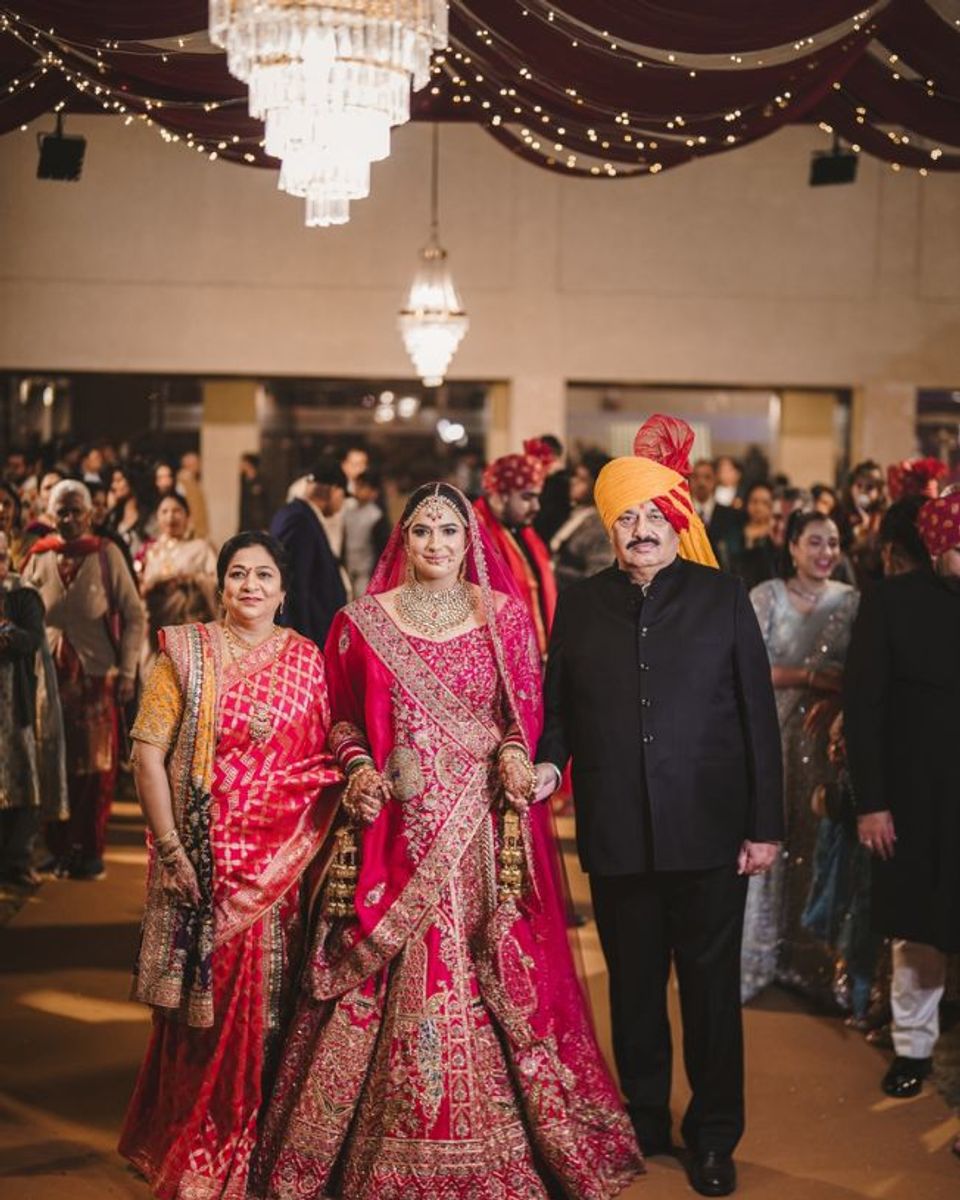
Candid or documentary work depends on anticipation, relationships and unobtrusive positioning. It captures reactions and transitions without asking people to repeat them for the camera.
It is strongest when the photographer understands the event sequence and has enough freedom to watch beyond the stage.
Why directed photographs still matter
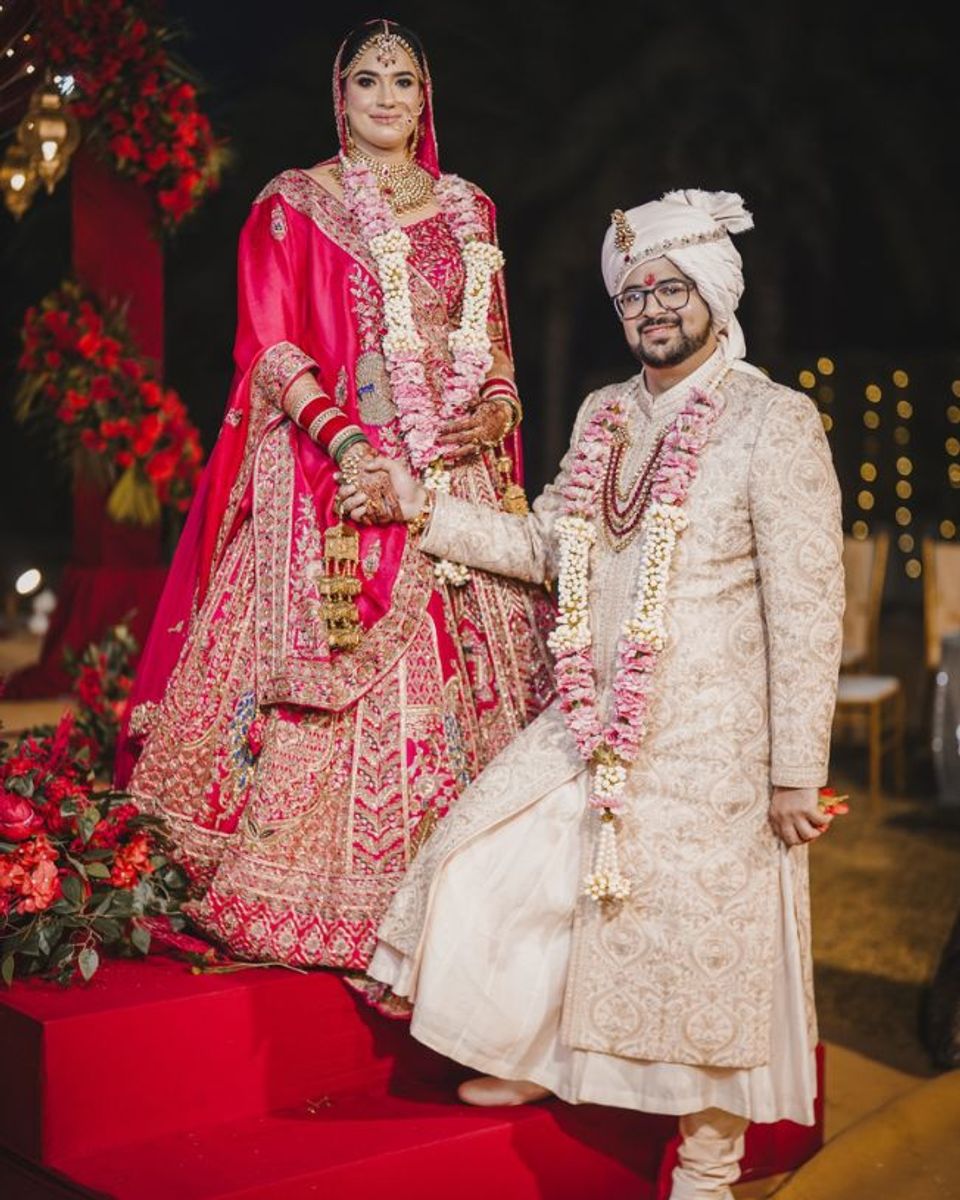
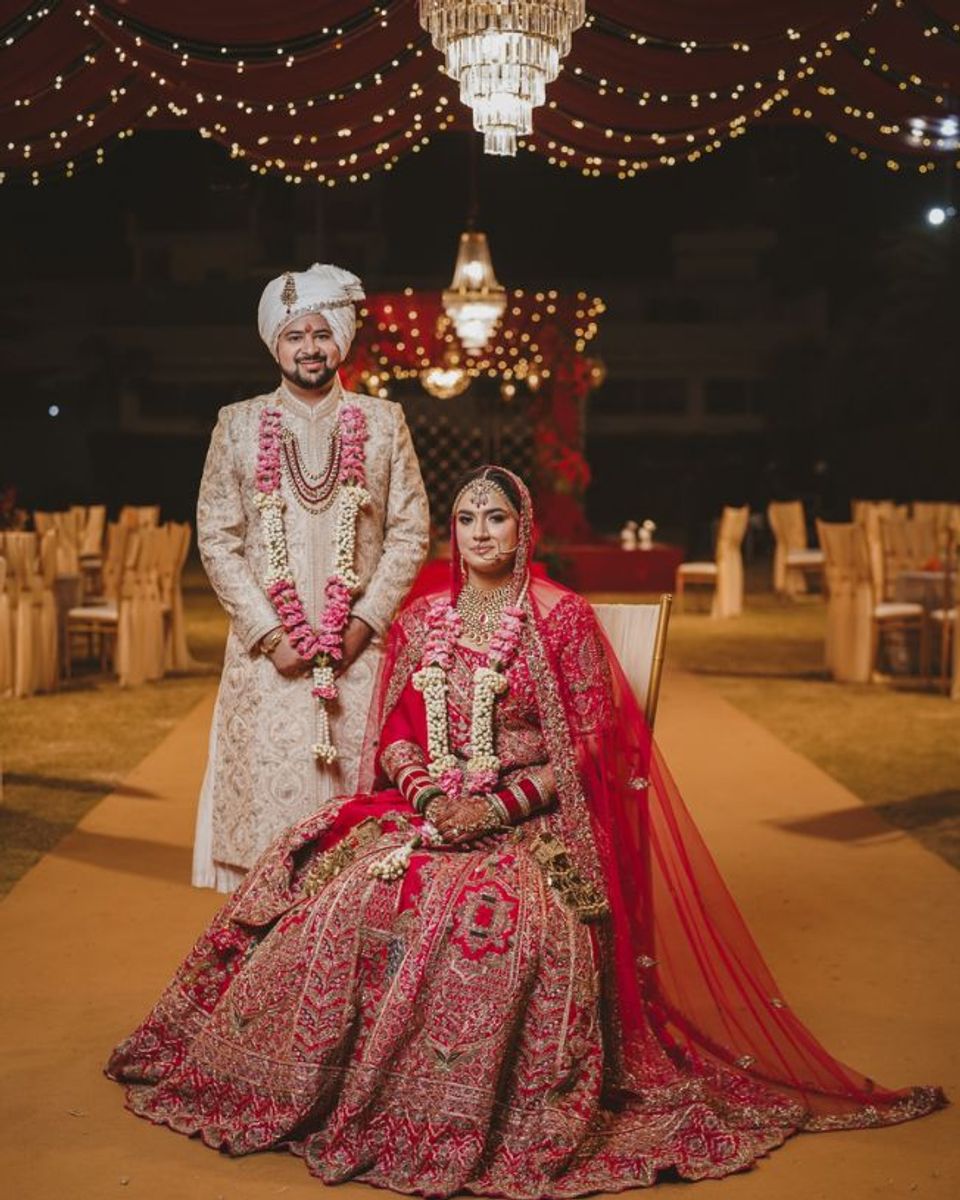
Family groups, couple portraits and ceremony records have lasting historical value. Clear, efficient direction helps create them without consuming the celebration.
Traditional coverage should not mean harsh interruptions or endless line-ups. Preparation, a short priority list and a family coordinator keep it respectful.
Choose a balanced visual record
Review galleries for both observation and organisation. The team should know when to remain quiet, when to guide and how to move between those roles without changing the mood of the day.
Tell the photographer which relationships and rituals matter most. That context is more useful than asking for an arbitrary percentage of candid photographs.
PLANNING NOTES
Questions worth asking before you book
Does candid mean no posing at all?+
No. Candid coverage describes unscripted moments, while portraits can still receive light direction when it helps people feel comfortable.
Will traditional coverage interrupt the ceremony?+
It should not. Ceremony rules and sightlines take priority, and planned family groups can happen at an appropriate time.
Can one photographer do both styles?+
Many experienced photographers combine observation and direction. Larger or simultaneous events may still need additional team members.
How do we communicate our preference?+
Share complete galleries you respond to and explain which people, rituals and kinds of moments you value rather than using style labels alone.
CONTINUE EXPLORING
Useful next pages for planning your story.
Tell us what you are planning.
Share the date, city, venues and the photographs or films you value. We will help shape a practical next step.
Start an enquiry